Piano Lessons for Preschoolers?
Dear Parents,
Is your child ready to start piano lessons at the age of 3 or 4?
It’s an exciting idea, and early musical experiences can nurture a lifelong love of music.
At the same time, I believe it’s important to approach lessons in a way that supports how young children naturally grow and learn.
Preschoolers are still developing fine motor control, attention span, and early listening skills.
The reason they’re ‘still developing’ is because those areas of the brain are still only partially developed.
Young children with young brains need different kinds of experiences than older brains.
This is why successful piano learning at this stage looks different from traditional lessons.
Rather than ask a child to focus on reading music (books) or learn formal technique (scales and arpeggios), we build a strong musical foundation and develop natural musicality through play, exploration, and positive experiences at the keyboard.
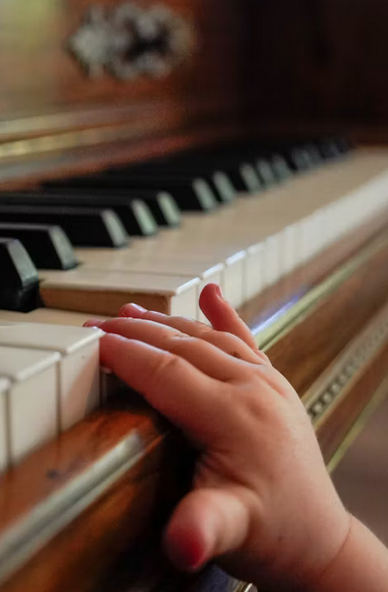
Considering piano lessons for your 3-5 year old?
Here are some helpful guidelines
- Look for a play-based approach. Lessons should include singing, movement, games, and storytelling along with time at the piano. This keeps learning engaging and developmentally appropriate.
- Keep lessons short and flexible. At this age, 15–20 minutes is often enough. Attention spans are still growing, and shorter sessions lead to more success.
- Expect parental involvement. Young children benefit greatly when a parent or caregiver is present, helping guide play & practice at home in a gentle, encouraging way.
- Focus on exploration, not perfection. Exploring concepts as High/Low, Fast/Slow, Loud/Soft and play the echo game with simple rhythm patterns are amazing ways to start and for most children this age are more important than playing full songs correctly.
- Choose the right teacher. Look for someone experienced with early childhood music education who understands how to adapt lessons for young learners.
Playful Piano Lessons
bring a magical ‘time-out-of-time’ experience to your child’s education.
Private lessons transport us to the days before the digital world of screens, AI and the internet.
Research continues to affirm and confirm that young children benefit in deep, lasting ways when we postpone their involvement with digital living,
instead surround them with books, music, conversation, community, art, crafts, outdoor play and learning experiences that require deep concentration. Music-making is one of those life-affirming, grounding, human activities!
Music lessons develop many aspects of our being
- the ability to listen and ask questions
- the ability to engage and communicate with a person outside the family
- the ability to create something beautiful with their hands and body
- the ability to literally create something from nothing by learning to improvise and compose music
- the ability to learn an art over time
- enhancing our sensitivity to the nuances of melody, harmony and rhythm to increase our love of music
Private Lessons for Preschoolers
If you are feeling drawn to private lessons for your preschooler, or simply unable to attend community music classes and want to bring an experienced early childhood music educator into your home, there are a few ways to begin.
How we begin…
Contact me through my contact form or send an email.
We’ll have our initial conversation by phone or email. If it seems like my approach may be a good fit for your family, we can set up a time to meet in person and have a free trial lesson.
Once you’ve made your decision, we can confirm and reserve regular lesson times for your family.
Mobile lessons
in your home !
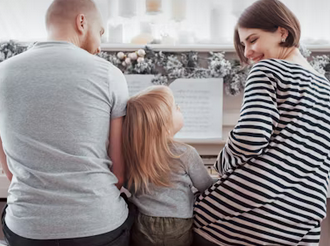
At home, you can support your child by:
- Letting them freely explore the piano keys without pressure
- If you play the piano, seat your child on your lap and play for them, include songs and melodies they already know.
- Singing simple songs together and finding those sounds on the keyboard
- Playing listening games like “Can you find a high sound?”
- Bring a favorite picture book to the piano and tell the story incorporating sound on the keyboard. Be creative and improvisational!
- Keeping practice light, fun, and consistent rather than long or demanding.
- There is so much more you can do and if you are both having fun I know you can’t make a mistake!
It’s ok to wait till they’re older
It’s not wrong to wait to start lessons at an older age.
Every child has their own timing and most are more developmentally ready for structured piano lessons between the ages of 5-9.
In the meantime, rich musical experiences—singing, dancing, and creative play—provide the best possible preparation.
Most important right now is to associate music with joy, curiosity, and confidence.
Knowing who your child is and what they are ready for will help you make early experiences a meaningful part of their development.
If you have any questions or would like guidance on musical parenting, I’m be happy to help.
What do in-home lessons look like?
I arrive at your home with a Mary-Poppins-style bag of magic and fun, prepared to meet your child at their level of focus, cooperation, interest and ability.
Because your child is in their own home and playing their own piano, the entire experience of learning music is more relaxed, spacious and playful than it might be if you had to transport your child to someone else’s music studio.
Instead of climbing into your car and travelling to see your teacher, it’s the other way around. I travel to you and your child may greet me at their door and lead me to their own music space.
Your time, your child’s time and siblings’ time is no longer spent in the car before and after lessons.